How Bogotá cares for its family caregivers: From dance classes to job training

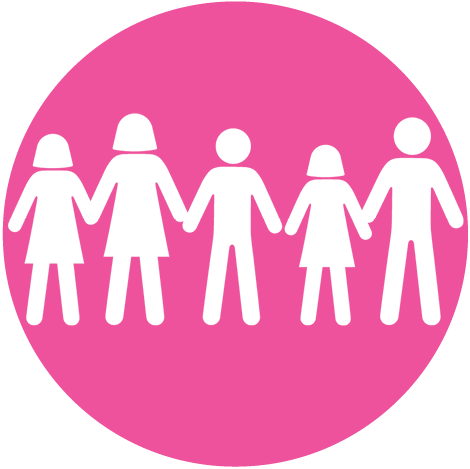
Five people stand side by side

From Rhitu Chatterjee / NPR: A unique program in Bogotá called Manzanas del Cuidado (Care Blocks) provides free activities and services to unpaid caregivers in local neighborhoods. These services span everything from wellness classes to professional training to educational courses.

Read the original story here.

Read about other wellbeing initiatives for caregivers.

More Resources:

Elizabeth Sawin is the Director of Multisolving Institute. Beth is an expert on multisolving actions that address equity, climate change health, well-being, and economic vitality as integrated issues. She developed the concept after studying bright spots around the world where...

From Katherine Latham / Reasons to Be Cheerful: In the United Kingdom, the supermarket Iceland Foods gives out interest-free microloans on pre-loaded cards during school holidays for families to spread out their grocery bills over time when finances are most...

Jack Henderson is a digital democracy researcher with RadicalxChange Foundation, the ERC’s BlockchainGov project, and the Coalition Of Automated Legal Applications. He holds a degree in economics from Princeton University. Jack Henderson spoke with Ashley Hopkinson on February 21, 2024....

Sheeza Shah is Founder and Managing Director of UpEffect, a crowdfunding and social impact consultancy shaping a benevolent economy through equitable finance and strategy. Sheeza has spent the past decade in the tech, non-profit, and social enterprise world project managing...

Hannah Rothschild is Lead of Knowledge Uptake and Communications at Bernard van Leer Foundation. Her background is a merged expertise in urban policy, multi-stakeholder collaboration, and strategic communication. Previous diverse roles, ranging from environmental start-ups to international organisations, have deepened...

From Annie Banerji / Christian Science Monitor: Microfinance institutions in India are providing low-cost loans to women in remote areas who typically only have access to loan sharks. The women are using the money to break poverty cycles and start their...

We use cookies to improve your experience on our website. By continuing to browse, you agree to our use of cookies. For more details, please see our Privacy Policy.