eToro Launches GoodDollar And Begins Delivering Universal Basic Income

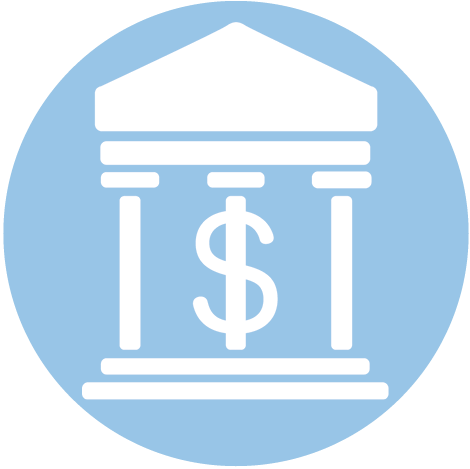
A dollar sign forms one of the columns of a stately building

From Lawrence Wintermeyer / Forbes: GoodDollar is a basic income product that works via the public blockchain network. Because blockchain is decentralized and public, this platform could be used globally, non-reliant on any one government. GoodDollar uses G$ coins which can be sent through the system and converted to the local currency of a resident in a given country.

Read the original story here.

Read more articles on the wellbeing economy.
More Resources:

From Bill Chappell / NPR: Microsoft Japan experimented with a 4-day work week over the summer. Employees enjoyed three-day weekends but received normal paychecks. The company reported a 40% boost in productivity. Read the original story here. Read more work-focused...

Allison Duettmann is the president and CEO of Foresight Institute. She directs the Intelligent Cooperation, Molecular Machines, Biotech & Health Extension, Neurotech, and Space Programs, Fellowships, Prizes, and Tech Trees, and shares this work with the public. She founded Existentialhope.com,...

From Martín Xavi Macías / NextCity: Chicago is asking its citizens, including youth, to help determine how to spend public money. Participatory budgeting involves communities identifying their greatest needs and guiding spending toward solutions. Read the original story here. Read...

From Sarah Trent, Khaliun Bayartsogt / Devex: Herders in Mongolia have resorted to cooperative shared funds to keep their pastures afloat, a sign of a slow tilt towards greater collaboration and trust in the area. The shared funds act as...

Thomas Legrand is the Lead Technical Advisor for the UNDP-convened Conscious Food Systems Alliance (CoFSA). He holds a Ph.D. in Economics and has 20 years of experience in sustainable land use, climate change, sustainable finance, leadership, and developing inner capacities...

From Oscar Perry Abello / Next City: With funding from city governments, the nonprofit RIP Medical Debt acquires and cancels medical debt by negotiating directly with hospitals. The only requirement is being under 400% of the federal poverty line and...

We use cookies to improve your experience on our website. By continuing to browse, you agree to our use of cookies. For more details, please see our Privacy Policy.